
Getting approved for a home loan is more than just ticking boxes; it’s about showing lenders that you can be trusted to handle a long-term financial commitment. And at the centre of that decision sits your credit score.
This simple number holds a lot of weight. It helps lenders assess your reliability and the level of risk they take by lending to you. A high score can open doors to lower interest rates and better loan terms, while a low one might mean fewer options or higher costs.
But here’s the thing most people overlook: your credit score is only the surface. What really matters is the story behind it: your full credit report, which paints a much clearer picture of your financial behavior.
Let’s unpack what credit score you need for a home loan in Australia, how lenders interpret your credit history, and how to prepare before you apply.
Why Credit Scores Matter When Applying For A Mortgage
Your credit score shows how you’ve managed money and credit in the past. In Australia, it’s calculated by credit reporting agencies like Equifax, Experian, and illion using data such as payment history, credit limits, loan applications, and defaults. While the exact scoring system varies slightly between agencies, most use a range from 0 to 1,200.
The higher your number, the stronger your position when applying for a mortgage. Borrowers with good to excellent scores are seen as low risk. A lower credit score may suggest potential difficulties managing credit.
For lenders, this risk assessment affects not only your approval chances but also your loan’s interest rate, term, and deposit requirement. For example, a borrower with a score above 750 might access premium rates, while someone around 600 could still be approved but with a higher rate or tighter borrowing limits.
It All Boils Down To Your Credit Report
While your credit score gives lenders a quick overview, your credit report tells the full story, and this is where lenders often focus their attention.
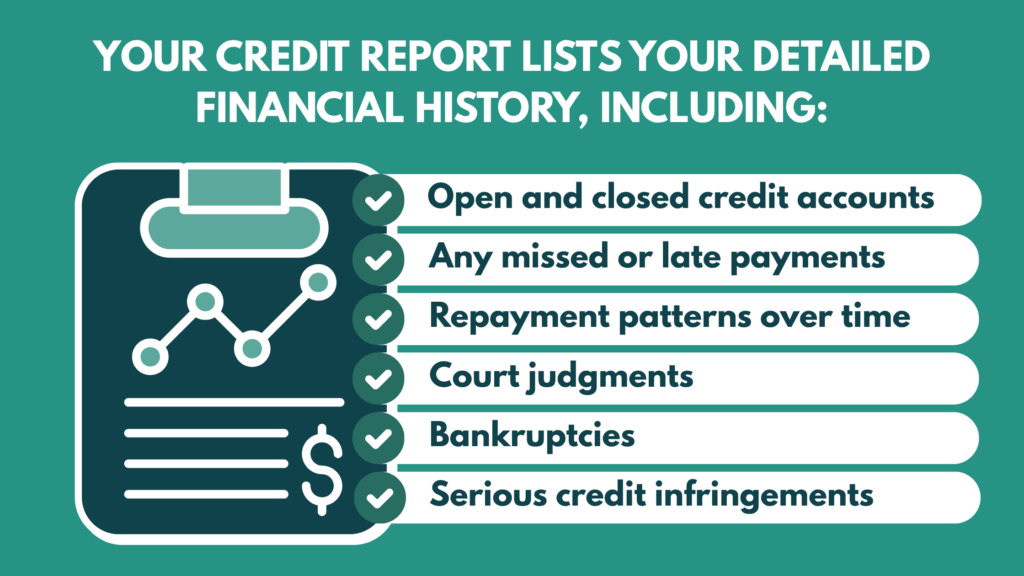
Even if you have a decent score, a default or judgment on your credit report can raise red flags. Lenders look closely at these entries to see how recent or severe they are, and whether the issues have been settled.
That’s why reviewing your own credit report before applying is crucial. Australian Credit Savers helps make your home loan journey smoother with a free credit report assessment. Our credit repair experts will review your file, find invalid or questionable listings, and help you dispute them, making your credit report more accurate and improving your chances of home loan approval.
Minimum Credit Score For A Home Loan In Australia
There’s really no fixed minimum credit score for a home loan because each lender sets its own criteria, especially for first-time home buyers. However, most banks prefer applicants with a ‘good’ score, around 625 or higher. If your score is below average, improving your repayment record or saving a larger deposit can help offset the risk. Some lenders are more flexible if the rest of your financial situation looks stable.
What Lenders Assess Besides Your Credit Score
While your credit score and credit report are important, there’s more to the equation. Lenders look into your loan-to-value (LVR) ratio when assessing a mortgage or home loan application. National Australia Bank (NAB) defines LVR as the percentage of the property’s value you plan to borrow.
When assessing a mortgage or home loan application, lenders also look into your loan-to-value ratio (LVR), which is the percentage of the property’s value you plan to borrow.
To calculate your LVR, take the amount you want to borrow, divide it by the value of the property, then multiply it by 100 to get the percentage.
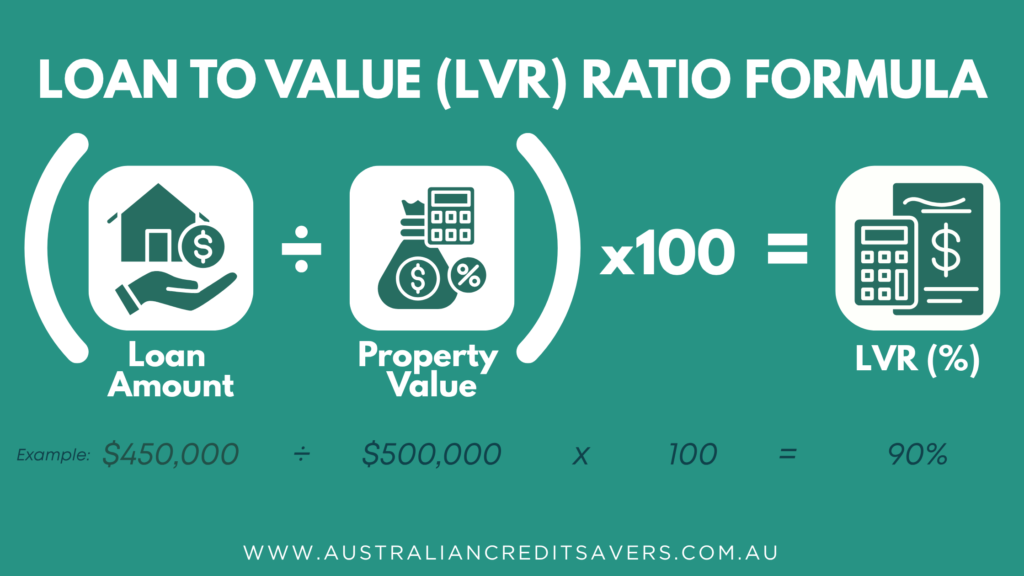
So, for example, if you’re buying a house worth $500,000 and need to borrow $450,000, your LVR would be 90%. Most lenders require you to pay lenders mortgage insurance or LMI if your LVR is above 80%. An LMI protects the lender in case you can’t repay the loan.
Online Credit Rating Calculators: Use With Caution
You’ve probably seen ‘free credit rating calculators’ online that promise to show your credit score in seconds. While tempting, these tools are often unreliable. They can’t access your real credit data, meaning the results might be far from accurate.
These calculators give you a rough idea, but don’t treat them as fact. Instead, you can request an official and free credit report from any of Australia’s three credit reporting agencies.
How To Improve Your Credit Score Before Applying
If your credit score isn’t where you want it to be, there are ways to strengthen it before applying for a mortgage:
Pay On Time And Build Positive Payment History
Pay your bills on time to build a good payment record. You can set reminders or turn on automatic payments to avoid missing due dates. Making payments consistently and on time has a big impact on your credit score. If you’re still building your credit history, try getting a low-limit or low-rate credit card and make sure to pay it off in full and on time.
Avoid Multiple Applications
Each new credit application shows up as a hard enquiry, which can slightly reduce your score if done too often in a short span.
Get Help From Credit Repair Experts
If you’re struggling to improve your credit score on your own, consider consulting credit repair professionals, like Australian Credit Savers. Our experts can review your credit report, identify errors or outdated information, and help you address and dispute them. Hiring a credit repair service can save time, reduce stress, and ensure you’re taking the right steps to strengthen your financial profile.
Try Our Mortgage Calculator!
Monthly Mortgage Payments
A mortgage calculator helps you visualise what your future loan might look like. By entering your total loan amount, down payment, interest rate, and loan term, you can instantly see:
- Your estimated monthly payments
- The total balance payable with interest
- The overall cost including your down payment
- And a detailed amortization schedule that breaks down how much of each payment goes toward principal and interest
This allows you to test different scenarios, like how much faster you could pay off your loan by increasing repayments or how your monthly costs change with different interest rates.
Disclaimer: The results from this calculator are estimates only and provided for informational purposes. They do not represent financial advice, loan approval, or actual repayment figures. Always confirm rates, fees, and eligibility with your chosen lender or financial adviser.
Getting Home Loan Ready
When it comes to getting a home loan, your credit score opens the doors, but your credit report determines how wide it swings. Lenders look beyond numbers to assess how responsibly you’ve handled your financial commitments, whether you have unpaid defaults, or any court judgments on record.
Before applying, take time to review both your credit score and your report. Fix errors, pay off outstanding debts, and use your mortgage calculator to plan ahead. The more prepared you are, the smoother your approval process will be, and the better your chances of securing a loan that fits your budget and goals.

Credit repair plays an important part in getting ready for a home loan. It helps you fix errors, remove negative marks, and rebuild a strong credit history. When your credit looks better, you have a higher chance of getting approved for a loan with lower interest rates and better terms.
At Australian Credit Savers, we help people improve their credit so they can move closer to goals like buying a home. Whether you need help understanding your credit report or correcting mistakes, our team is ready to guide you through the process.
Get a head start on credit repair and book a call with Australian Credit Savers today.