
Dealing with a bad credit score can create significant stress, particularly when you need access to essential financial services like mortgages or personal loans.
Many Australians face credit challenges, with a substantial portion of the population holding scores below the national average.
The Australian credit system operates on a comprehensive scoring model that evaluates your creditworthiness across multiple factors. Credit scores typically span from 0 to 1,200, with different ranges indicating varying levels of credit health: Excellent, Very Good, Good, Average, and Below Average. When your score falls into the lower categories, lenders view you as a higher-risk borrower. This classification can limit your access to competitive financial products and may result in higher interest rates or stricter lending conditions.
These entries remain visible for five years from the initial recording date. However, their impact on your score diminishes over time, especially as you establish positive payment patterns.
These serious credit events also stay on file for five years, though debt agreements may be removed after two years upon successful completion.
While these remain on your file for five years, they typically only influence your credit score for the first twelve months.
The key insight is that while some negative marks disappear automatically, proactive steps can improve your score much sooner than waiting for natural expiry.
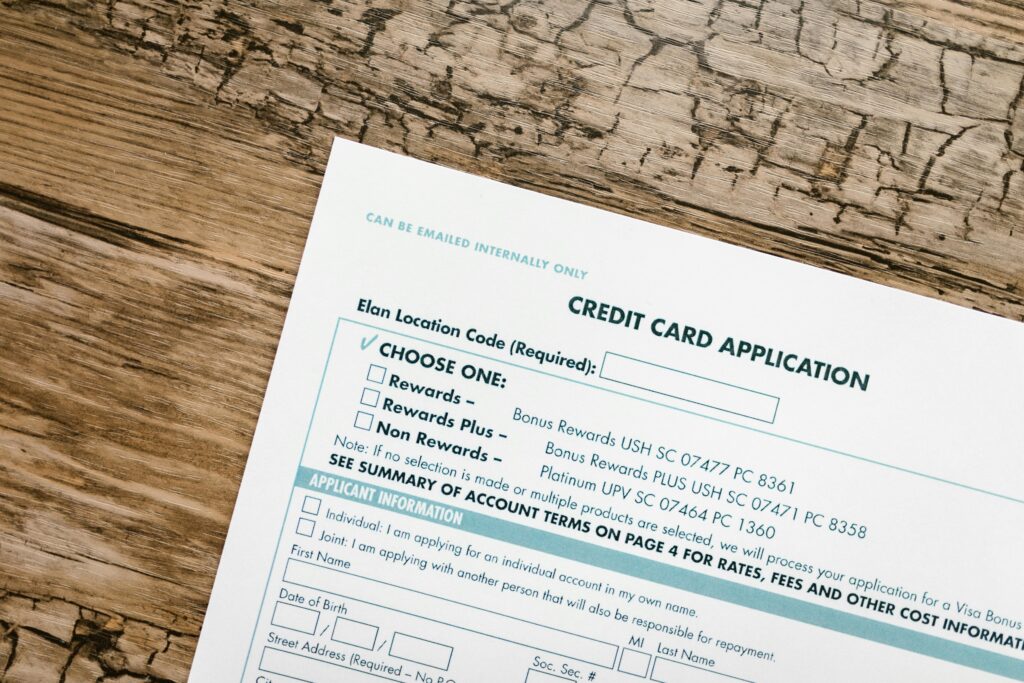
Many Aussies wonder whether owning a home remains possible with damaged credit. The reality is that obtaining a home loan with a bad credit history presents significant challenges that often require strategic preparation and expert help to overcome successfully.
Traditional lenders typically reject mortgage applications from borrowers with bad credit scores, viewing them as high-risk investments. However, the real obstacle isn’t just getting approved; it’s securing reasonable terms that won’t create ongoing financial hardship.
Alternative lenders who accept bad credit applications often impose conditions that can make homeownership financially challenging:
Rather than accepting these costly compromises, improving your credit score before applying for a mortgage can save you tens of thousands of dollars over the life of your loan. Even modest credit score improvement can unlock access to mainstream lenders offering competitive rates and standard deposit requirements.
Begin your credit repair journey by obtaining comprehensive credit reports from all three major Australian credit bureaus: Equifax, Experian, and illion. Each agency may hold different information, so reviewing all reports ensures you have the complete picture of your credit status.
Examine each report meticulously for potential errors, including: incorrectly reported payment histories, accounts belonging to other individuals, outdated negative information that should have been removed, and personal details requiring updates.
When you identify inaccuracies, submit formal disputes to the relevant credit reporting agency immediately. Document all communications and follow up consistently until resolution.
Proactively contact creditors regarding any unpaid debt or defaulted accounts. Many organisations prefer negotiated settlements over lengthy collection processes.
Establish reliable payment patterns moving forward by ensuring all bills and credit obligations receive timely attention. Implement automated payment systems where possible to eliminate the risk of missed due dates. Consistent positive payment behaviour becomes the foundation of credit score improvement.
For existing credit cards, maintain balances well below your available limits. Financial experts recommend keeping utilisation under 30% of your total available credit. Lower utilisation demonstrates responsible credit management and positively influences your credit score calculation.
Each credit application generates and enquiry on your credit file. Multiple applications within short timeframes can lower your score and signal financial stress to potential lenders. Only apply for credit when necessary and space applications appropriately.
While self-directed credit repair is possible, professional services often achieve results more efficiently. This accelerated timeline means you could qualify for better mortgage terms much sooner than expected, potentially saving years of rental payments while building equity in your own property. Experienced credit repair specialists understand regulatory requirements, maintain established relationships with creditors, and can navigate complex situations more effectively than individual consumers.
Consider this: the difference between a bad credit mortgage at 8.5% interest and a standard home loan at 6.2% on a $500,000 property amounts to more than or double $140,000 in additional payments over 30 years.
Investing in expert credit repair before applying for your mortgage could be the most financially rewarding decision you make.

A bad credit score doesn’t have to hold you back. Whether your goals include purchasing a home, accessing better interest rates, or simply improving your overall financial position, taking decisive action today creates the foundation for tomorrow’s success.
Credit repair requires patience and persistence, but the results can be life-changing, literally. Each positive step you implement contributes to stronger financial health and expanded opportunities for years to come.
Ready to begin your credit transformation journey? Australian Credit Savers offers comprehensive consultation services to help you develop a personalised credit repair strategy. Contact us today for your complimentary consultation and take the first step toward better finances.