
If a loan or credit card application has been declined, it is understandable to look for ways to improve credit score in 30 days. Some steps, such as paying on time, reviewing your credit report and disputing incorrect listings, may help improve your credit profile, but no specific score increase can be guaranteed. This guide explains practical credit score tips, what may change within a month and what usually takes longer.
Can You Really Improve Your Credit Score in 30 Days?
Your credit profile may begin to improve within 30 days, but no specific credit score increase can be guaranteed. Changes may occur when new repayment information is reported or inaccurate credit information is corrected. The timing and effect depend on your existing credit file and the scoring model used.
Many Australians assume they must wait five years for a default to drop off. That is the usual retention period, but a listing that was recorded incorrectly may be challenged sooner. Under the Privacy Act 1988 and the Privacy (Credit Reporting) Code 2025, you can request correction of credit-related personal information that is inaccurate, out-of-date, incomplete, irrelevant or misleading.
Scores also move for reasons you cannot see. A score is recalculated as new information reaches your credit file, so the same habit can produce different results for different people. That is why any fixed figure, such as a promised number of points, deserves skepticism.It also helps to separate a credit report from a credit score. Your report is the record of your accounts, repayment history, enquiries and defaults. Your score is a number calculated from that record, so accurate information on the report comes first.
What Is the Difference Between a Credit Report and Credit Score?
A credit report is a record of your credit accounts, repayment history, enquiries and certain negative information. A credit score is a numerical risk indicator calculated from information in that report using a credit reporting body’s scoring model.
How Does the Credit Score System Work in Australia?
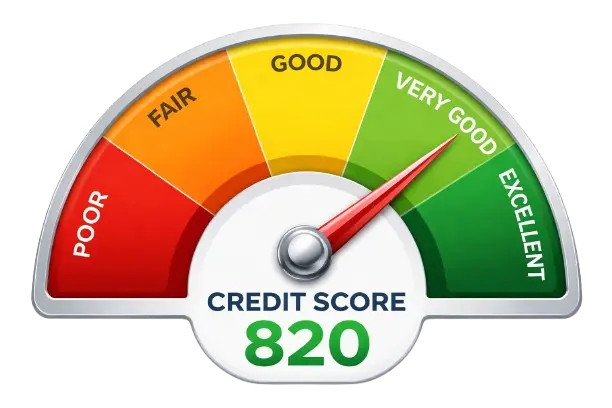
Your credit score is an indicator of credit risk based on information in your credit report. Lenders may use it alongside income, expenses, debts and other information when assessing a credit application. Equifax and Experian are Australia’s two main credit reporting bodies, following Experian’s acquisition and merger with illion. Each uses its own scoring model, so scores from different bodies cannot be compared directly.
Equifax scores run from 0 to 1,200, according to Equifax. Its bands include average (460 to 660), good (661 to 734), very good (735 to 852) and excellent (853 and above). Experian publishes its own scale, so compare your score only against the bands published for the same body. It helps to know what counts as a good credit score for the body your lender uses.
Scoring models differ, but the information they draw on can include:
- Repayment history and on-time payments
- Credit limits and account information
- Length of credit history
- Number and pattern of credit enquiries
- Negative information such as defaults or certain court judgments
Credit reporting bodies use information held in your credit report when calculating a credit score, although each body uses its own scoring model and weighting.
What Quick Wins May Help You Improve Credit Score in 30 Days?

1. Check for incorrect entries
Request your report from each credit reporting body and look for duplicate entries, accounts that are not yours and repayments recorded as late when they were on time. You can get a free copy from each body once every three months, and a regular credit report check makes errors easier to spot.
2. Review credit card balances and limits.
Credit limits and account information can form part of your credit profile. Reducing outstanding debt may improve your broader financial position, but there is no universal Australian rule requiring you to keep credit usage below a particular percentage.
3. Pause unnecessary new applications
A formal credit application may result in an enquiry being recorded on your credit report, and credit enquiries can remain for five years.
4. Pay on time
Many people use direct debits or reminders, because lenders can see two years of repayment history.
5. Consider what a licensed credit repair provider can do
Some people use one to help prepare disputes for defaults or court judgments through the proper channels. This is covered in more detail below.
None of these steps is a shortcut. The effect on a score depends on your existing file and on when lenders report updated information, so some changes may show within weeks and others take months.
What Should You Do After the First 30 Days?
In practice, ‘well-managed credit’ means continuing the same habits that helped in the first 30 days: repayments made on or before the due date, card balances kept well under their limits, and no unnecessary new applications in the months that follow. None of these guarantees a specific score change, but together they build a longer track record for lenders to assess. If a dispute is still working its way through a credit provider or credit reporting body at this point, the credit profile may keep shifting as that outcome is finalised.
How Long Does a Credit Dispute Take in Australia?
A credit provider or credit reporting body generally has 30 days to correct information it agrees is wrong, or a longer period you agree to. A credit provider or credit reporting body must take reasonable steps to correct information within 30 days, or a longer period you agree to, according to OAIC guidance.
Disputes that involve several creditors, or that escalate to the Australian Financial Complaints Authority (AFCA), can take longer overall. That is why a fixed promise about timing is a warning sign.
A credit provider can only list a default if the debt is $150 or more and at least 60 days overdue. It must also have given the required notices, as the OAIC explains. Where those steps were skipped, you may be able to dispute incorrect listings, and Invalid Default Removal assistance may be available. Accurate, correctly listed defaults generally cannot be removed.
What Can a Licensed Credit Repair Provider Do, and What Can't It Do?
A licensed provider can review your file, identify listings that may not have been recorded correctly and prepare a well-supported dispute. It cannot remove accurate, properly recorded listings or promise a score or timeframe. Searches for credit repair Australia wide return many providers, so it helps to know where that line sits.
A licensed provider can:
- Review your reports for errors
- Prepare disputes with credit providers and credit reporting bodies
- Explain your rights and options
A licensed provider cannot:
- Remove accurate, correctly listed defaults
- Guarantee a score increase
- Promise results in 30 days
ACS licensed credit repair experts work across Credit Enquiry Remov Invalid Default Removal, Court Judgment Dispute Assistance, Repayment History Dispute Resolution and Debt Negotiation & Settlement Support. Warning signs elsewhere include guaranteed point increases and fixed timeframes.
What Is the Next Step to Improve Your Credit Profile?
Whether you hope to improve your credit score in 30 days or over a longer period, improving your credit profile does not have to feel overwhelming. The first step is usually to see your reports, ask for correction of anything that is wrong and build steady habits.
If you would like a second opinion on what is affecting your file, book a free credit assessment with Australian Credit Savers. We are a nationwide credit repair service (ACN 674 885 299) that holds Australian Credit Licence (ACL) 578002 and is an AFCA member (104645). We will review your file and outline your options.
Our credit repair services operate on a No Win No Fee basis. A $330 non-refundable investigation fee applies and is credited toward your total service fee if you proceed. Results vary, and past outcomes do not guarantee future results.
Frequently Asked Questions
You may see early improvements from habits like paying on time and lowering card balances, but no one can guarantee a specific score change in 30 days. If a listing is inaccurate, a dispute may lead to a correction, and timing depends on the credit provider and credit reporting body involved.
A credit provider or credit reporting body generally has 30 days to correct information it agrees is wrong, or a longer period you agree to. Disputes that involve several creditors or escalate to a complaint can take longer overall, so ask any provider for a realistic timeframe rather than accepting a fixed promise.
No. Checking your own credit report is not a credit application and does not lower your score. You can request a free copy from each credit reporting body once every three months. Regular checks help you spot errors early, which is one of the most practical steps you can take.
Missed repayments, new defaults, certain court judgments and several credit applications within a short period can negatively affect a credit profile. Credit limits and other account information may also influence scoring. Each credit reporting body uses its own model, so the effect varies.
It depends on the credit reporting body. On Equifax's 0 to 1,200 scale, 661 to 734 is good, 735 to 852 is very good and 853 and above is excellent. Experian publishes its own scale, so compare your score only against the bands published for the same body.
There is no guaranteed fast route. Correcting genuine errors on your credit report may change the information used to calculate your score. Consistent repayment behaviour and careful management of new credit can also support your profile over time.
Key takeaways
- Some habits can start to help within a month, but no one can guarantee a specific score change in 30 days.
- Equifax and Experian are Australia’s two main credit reporting bodies, and each uses its own scoring scale.
- Correction requests generally must be resolved within 30 days, or a longer period you agree to.
- Most defaults stay for five years, and a default requires $150 or more overdue for at least 60 days plus required notices.
- Equifax scores run from 0 to 1,200, with 661 to 734 rated good.
- Accurate, correctly listed defaults generally cannot be removed by any provider.
- Longer-term credit profile improvement may be supported by consistent repayments, responsible debt management and avoiding unnecessary credit applications.