
Protecting your credit is more important than ever. With rising cases of scams, data leaks, and online fraud, anyone can be a victim of identity theft.
When that happens, it can feel scary and overwhelming. But there’s something you can do about it.
In Australia, you can place what’s called a credit ban or credit freeze to stop others from accessing your credit report,
If you’ve ever heard the terms credit lock, credit block, or credit lockdown, they all mean the same thing. They are designed to help protect your credit file when you suspect that your personal information has been stolen or used inappropriately.
Let’s go through the six essential things you need to know about credit bans in Australia: what they do, when to use them, and how to lift them when you’re ready.
1: What Is a Credit Ban or Credit Lock Down
A credit ban, sometimes called a credit freeze or credit lockdown, is a temporary block you can place on your credit report. When it’s active, lenders, banks, and other companies can’t see or access your credit file. This means no one can apply for a loan and open a new credit card or account under your name without your permission.
In Australia, there are three main credit reporting agencies that hold your credit data: Equifax, Experian, and illion. You can contact any of them to place a credit ban, and if you ask, they can also usually notify the other agencies to do the same. While the ban is active, your existing credit cards and loans still work as normal. The credit freeze only stops new applications from going through.
It’s like putting your credit on ‘pause’ until you’re sure your personal details are safe again. It’s not meant to fix your credit score, but it gives you peace of mind that no one can use your name to take out more credit while you sort things out.
2: Credit Ban vs Credit Repair
A lot of people mix up credit bans with credit repair, but they’re two very different things.
A credit ban is a security measure. You use it to protect your credit report when you think your information has been stolen or someone’s trying to use it.
On the other hand, credit repair is about fixing mistakes or negative listings that already appear on your credit file like defaults, late payments, or errors.
So, if you’ve noticed that someone tried to open a loan under your name, a credit freeze is what you need to stop that from happening again. But if your credit score has dropped because of inaccurate listings or unpaid balances, that’s when you need credit repair.
3: Why You Might Need To Place A Credit Freeze
The people who usually place a credit freeze are identity fraud victims. Maybe you lost your wallet with important IDs, your details were leaked in an online cyberattack, or you keep seeing strange or unfamiliar enquiries on your credit report. In situations like these, freezing your credit is one of the safest moves you can make.
When your credit is frozen, it stops anyone from applying for new credit in your name. It’s a simple way to prevent further harm while you report the fraud or work on fixing it.
However, it’s important to remember that lenders can’t access your file if it’s locked. So if you’re planning to apply for a new loan or credit card, you’ll need to lift the freeze on your credit report first.
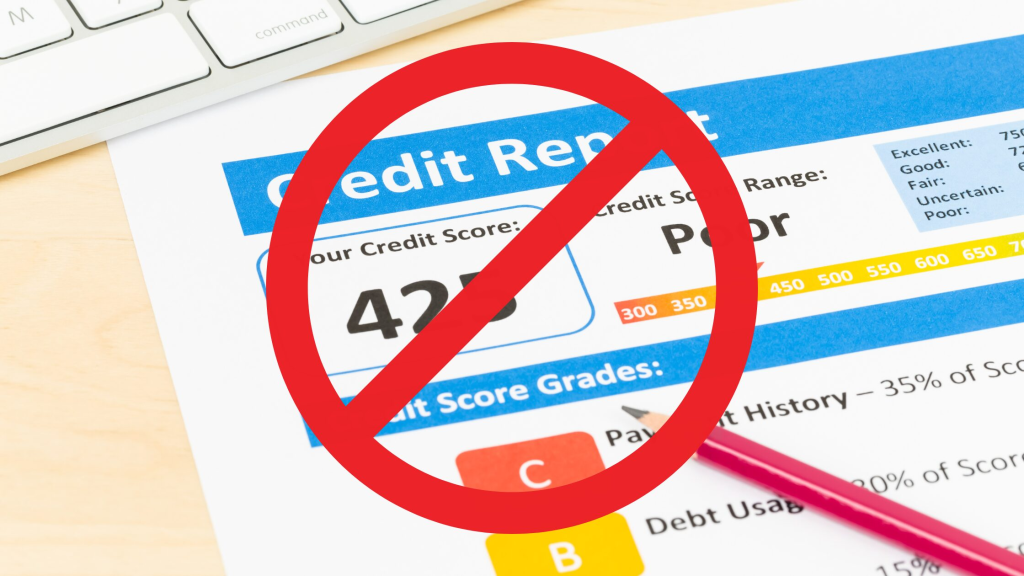
4: How Long A Credit Ban Lasts And When To Renew Or Extend
A credit ban usually lasts for three weeks or 21 days, which is the standard period. It gives you a few weeks to figure out what’s going on, double-check for suspicious activity, and take further steps if needed.
If you still think your information isn’t safe after 21 days, you can ask the credit reporting bodies individually to extend or renew the ban. Credit bans are free in Australia which is why some people choose to extend their credit ban for months or even longer, especially if they’re victims of ongoing identity fraud. There is no limit to how many times you can renew it.
You will usually get a reminder before your ban expires, so you can decide whether to keep it in place or let it end. If you don’t renew it, your credit report automatically becomes accessible again once the 21 days are up.
5: How To Freeze Credit Reports With Major Credit Reporting Agencies
Placing a ban is easier than most people think.
Equifax lets you submit a request through its website to lock your credit or place a freeze. For an Equifax credit freeze, you’ll need to provide basic information and proof of identity. Once your request is approved, your credit report will be locked almost immediately.
Experian and illion have similar systems. You can go to their websites, fill up their online forms, or get in touch with their customer support.
6: How To Remove Or Lift A Credit Ban In Australia
There may come a time when you need to apply for new credit. Removing or lifting a ban is as simple as placing one. You just contact the credit reporting body where your ban is active and request that it be lifted, either temporarily or permanently.
Lifting the ban usually takes less than a day, though it might vary depending on the agency.
A credit ban is one of the most effective ways to protect yourself from identity fraud in Australia. But if your credit report has already been affected, you can always reach out to Australian Credit Savers for expert credit repair support.